Can I have a word?
because it's all French to me.

I realise when I post photos on Instagram that because a lot of my vintage pieces are French I often use the French word to describe something. I thought I’d provide you with a little summary of what is what in case you didn’t know.
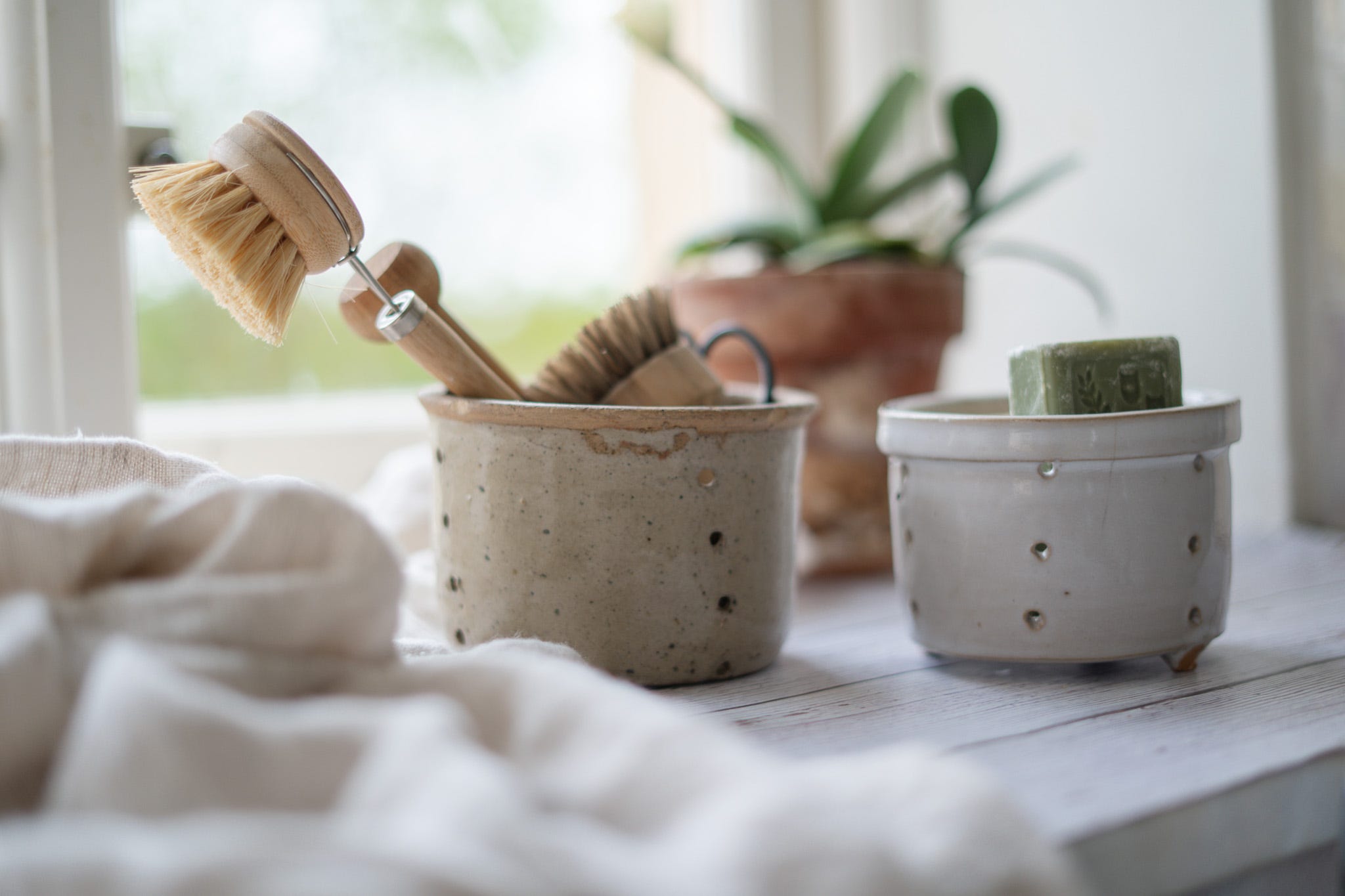
Faisselle
This is a stoneware mould that comes in different shapes and sizes. You will recognise them by the holes punched into them. They are used to mould and strain a particular type of soft French cheese. I believe the cheese is called Faisselle and is named after the mould itself. I have a couple of these for sale at the moment. They are great as tea light holders or as a sink caddy for brushes and cloths. There isn’t really an English equivalent that I know of hence vintage sellers often refer to them by the French name or, failing that calling them a ‘cheese mould’.
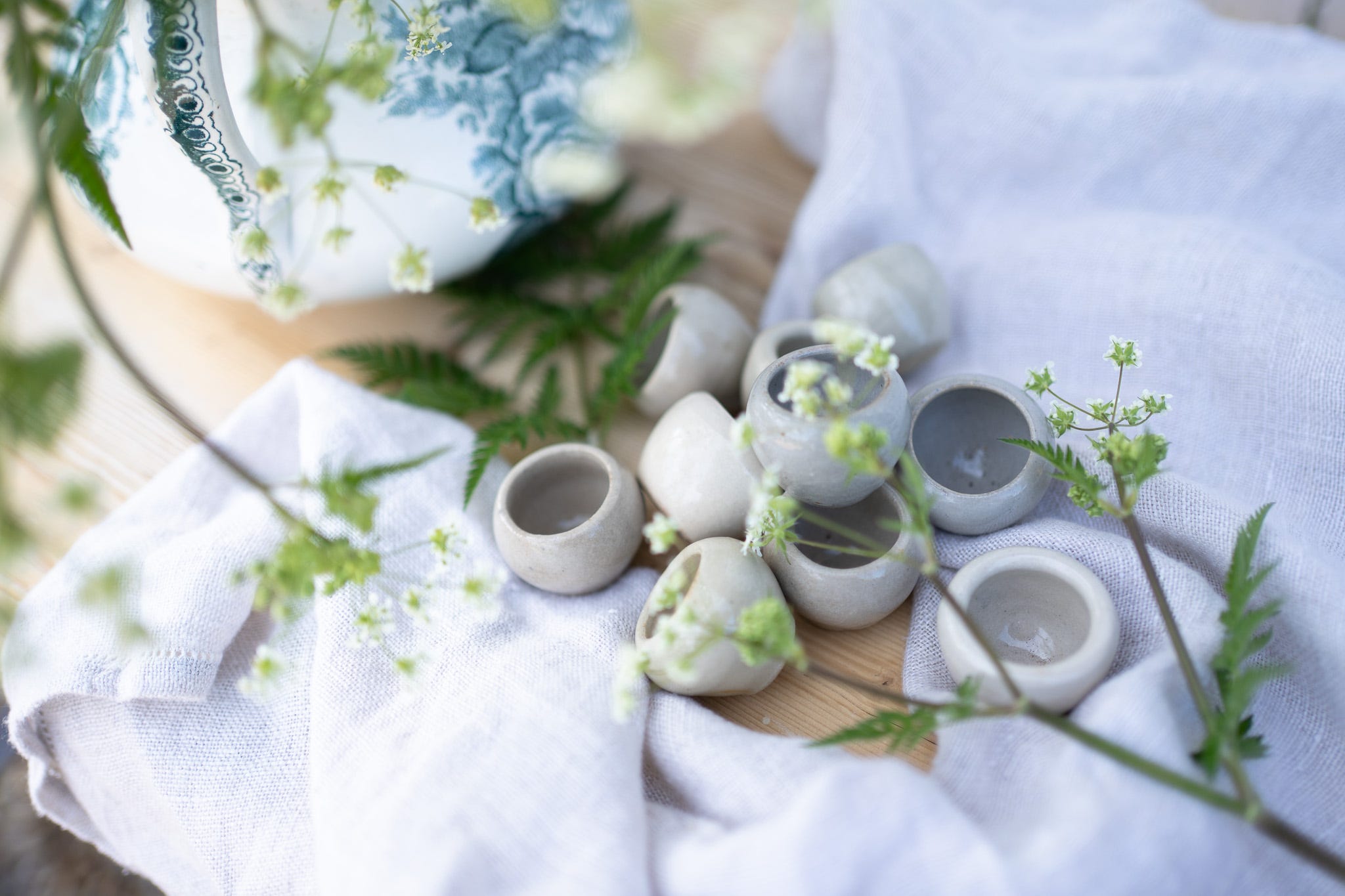
Escargot pots
You might have seen me mention these before but they are very cute little stoneware pots used to serve escargot (snails) in a garlic butter. I love them (the pots that is- the jury is out on the snails themselves) and think they make great little pots for earrings, individual butter portions or salt and pepper pots.
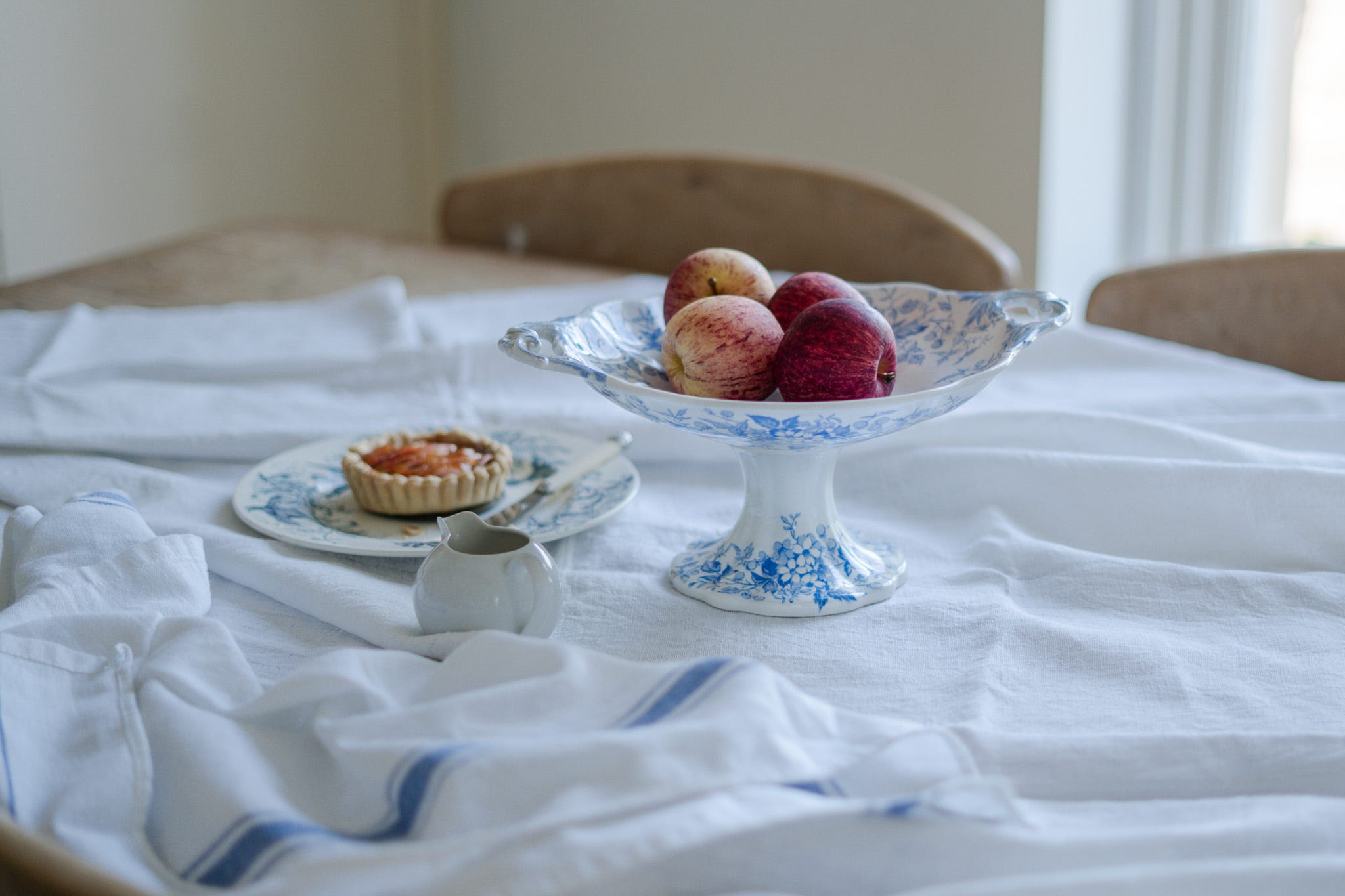
Compotier
These are serving dishes usually made of china or ironstone, having a pedestal base to show-off and serve cakes, pastries or fruit. They were part of an elegant dining table and therefore often have an ornate design. I am frequently drawn to them because they are so stylish and can quite literally elevate even the most humble of cakes and scones making your table setting look particularly striking.
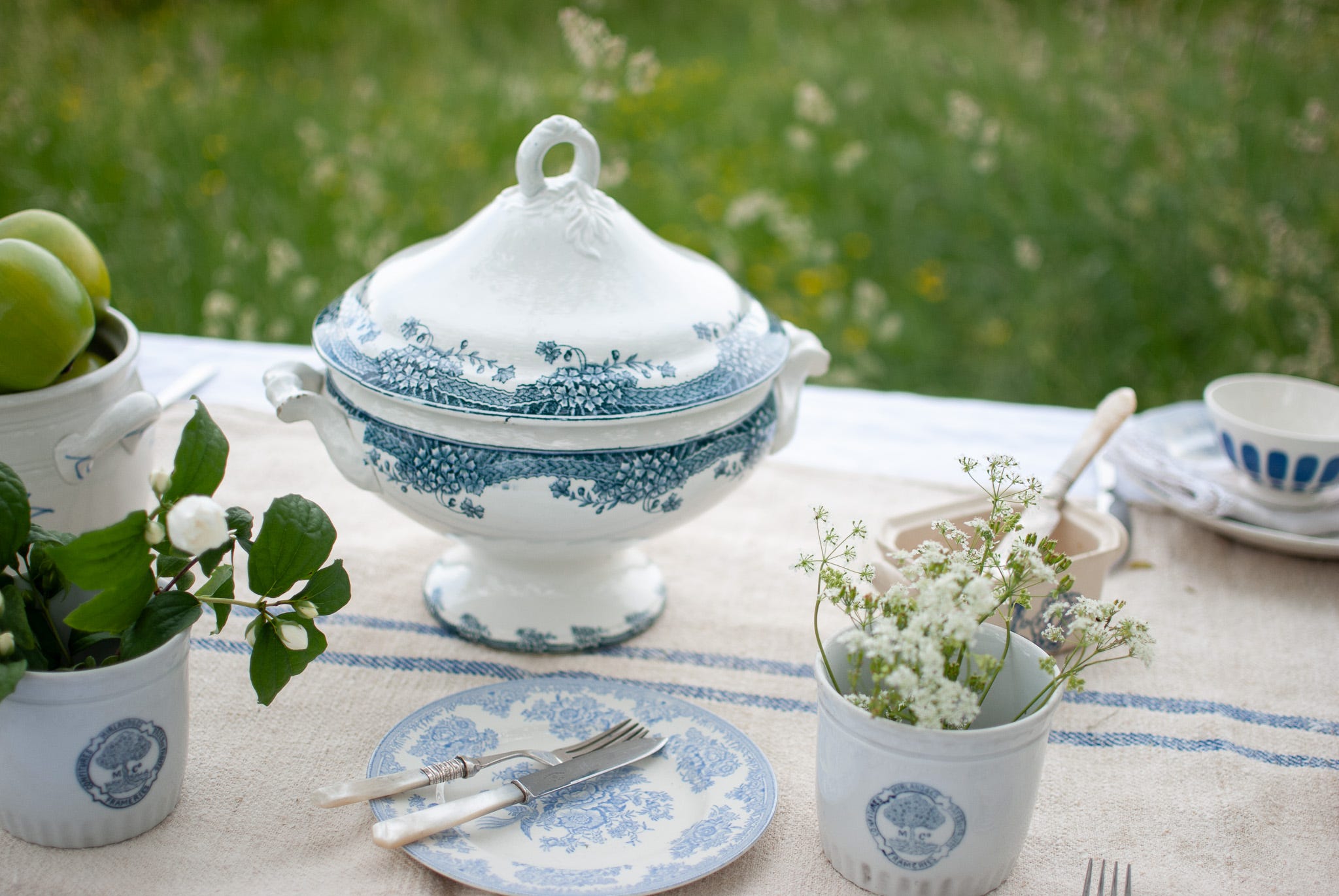
Soupier / saucier
These are a type of tureen designed specifically to serve soup or sauces. There is usually a notch in the lid for a ladle to remain in it while the lid is on. Again, these come in all sorts of shapes and sizes and, while we don’t often serve soup like that anymore, they are very popular as display pieces on a dresser, as fruit bowls and particularly as planters for spring bulbs. Even if you are just serving strawberries in the garden the lid is rather handy for keeping the wasps and flies off.
Confit pot
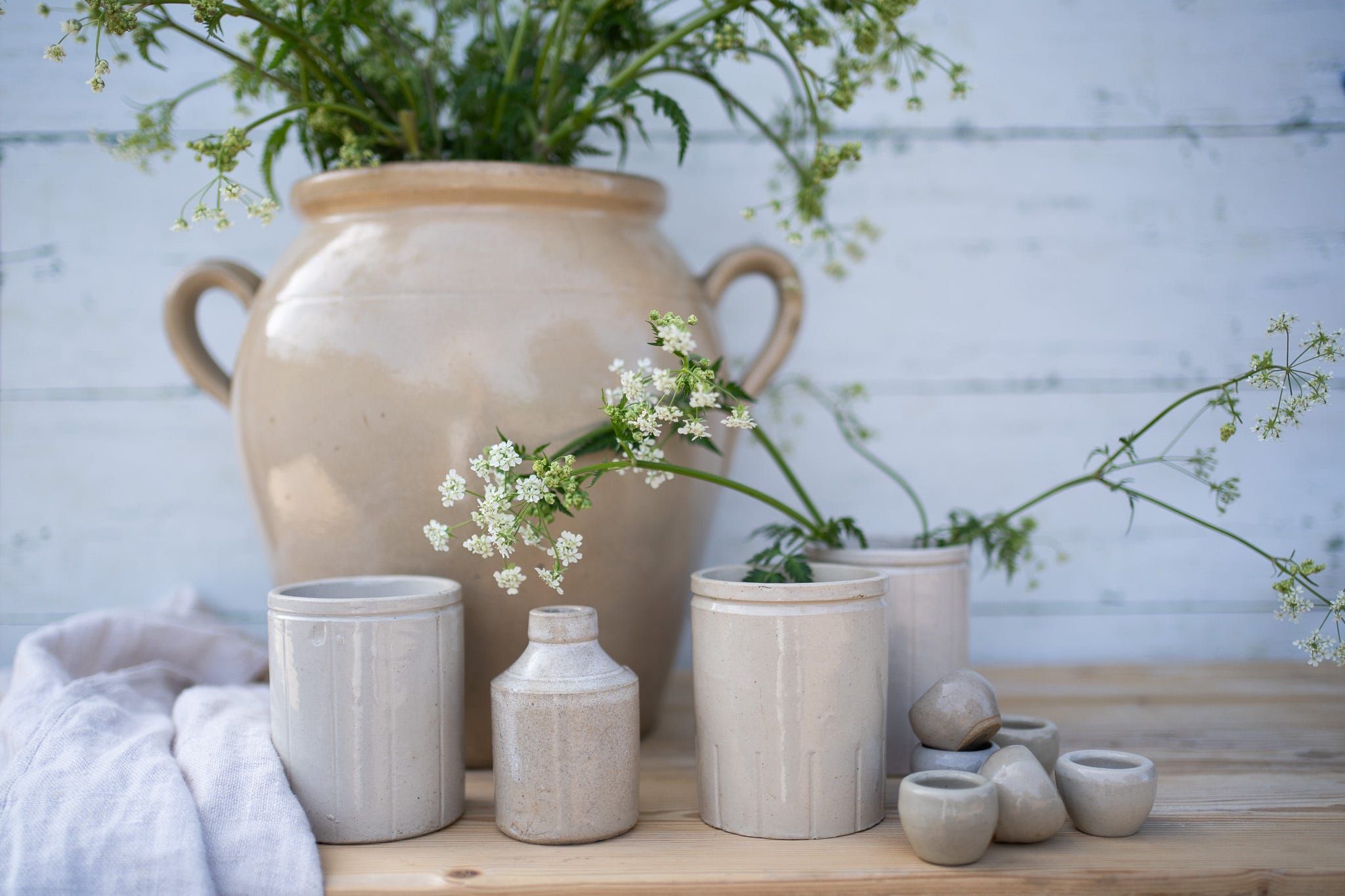
I wrote a substack a while back talking about confit pots in a bit more detail. You can read it here. Essentially, they were terracotta or earthenware pots used to store and preserve food in before the days of electric refrigeration. Confit is a French word describing food being cooked in fat and back in the day food was put into these pots and sealed with fat on the top to try to prevent rodents and other pests getting in and destroying or eating the food.
Confit pots are synonymous with country homes and extremely popular nowadays too. They can be used for anything from vases, utensil pots to umbrella stand. They come in a range of sizes, some with handles some without and are usually a beige/ neutral colour although some of the older ones have green or ochre glazing on the top.
Cruche
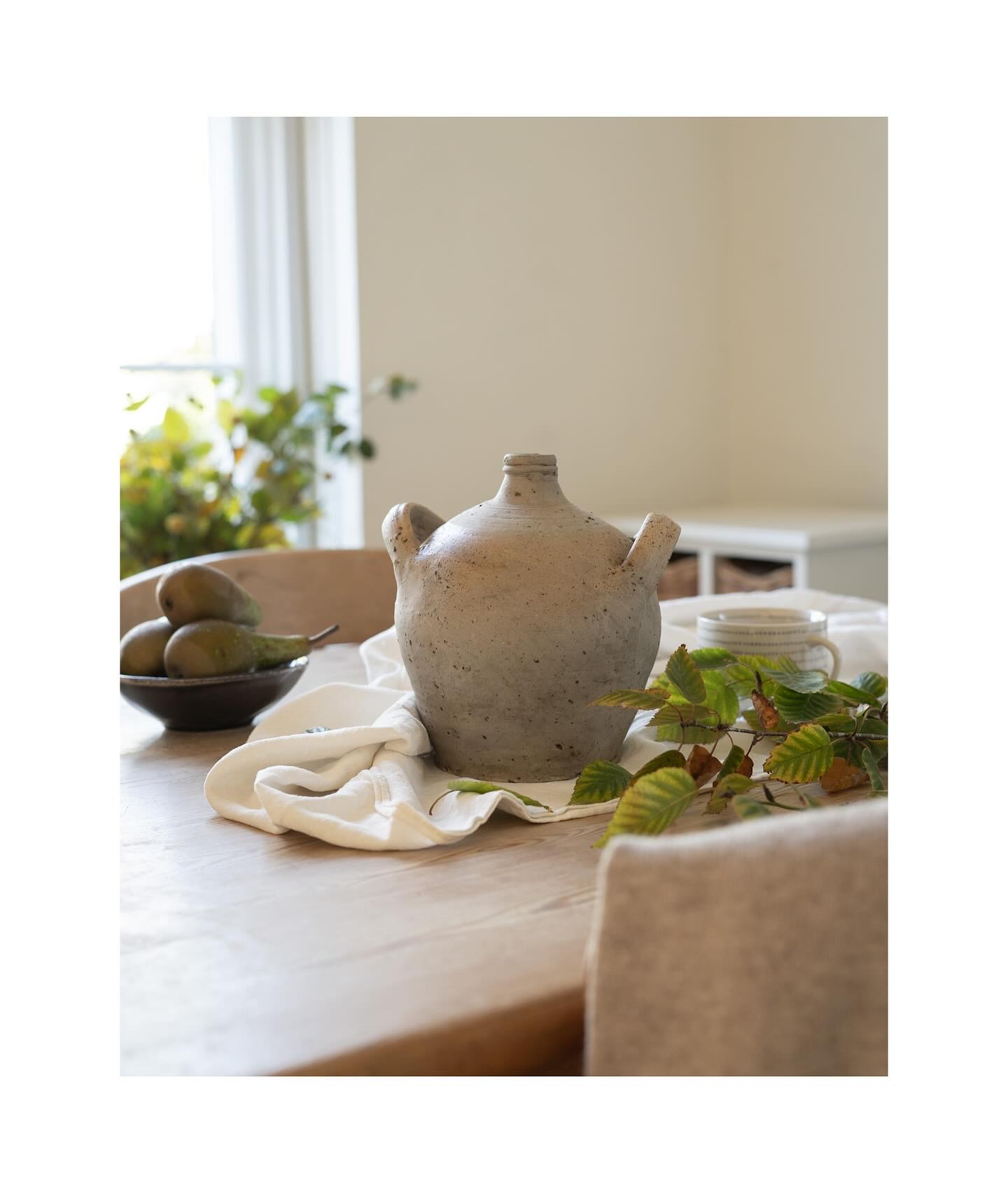
A cruche is not a word I actually use very much myself when describing a French pitcher, jug or vessel of some kind. I tend to call it by the English word. I thought it was worth explaining it here though as I have seen some vintage sellers use the French term.
Anyway, for future reference a cruche is an earthenware or ceramic vessel used to pour liquid be it wine, water or oil. I have a few of these in my house where a couple have even been used as a lamp base.
Tureen
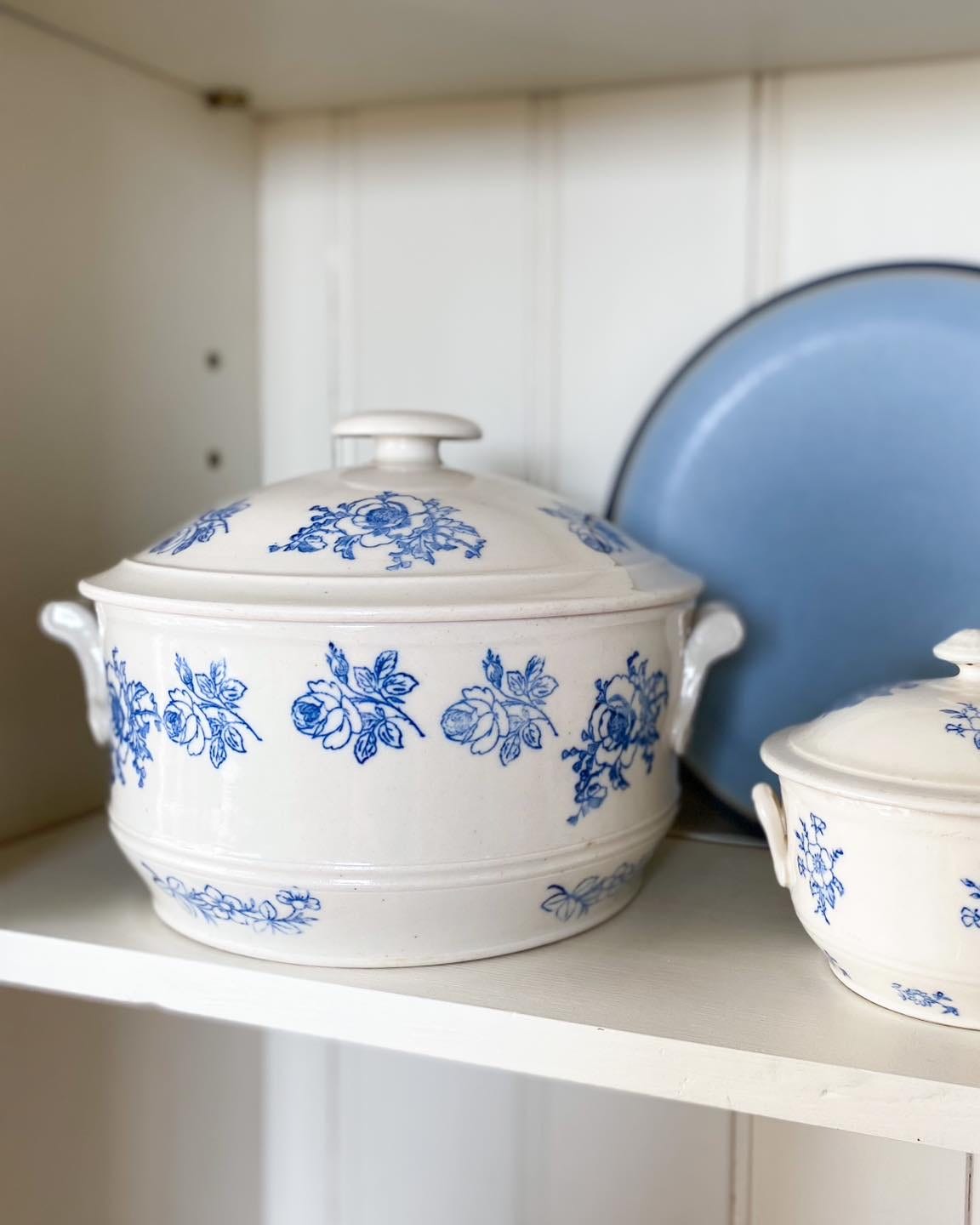
The word tureen is actually English but comes from the French word ‘terrine’ which in itself stems from the Latin ‘terra’ meaning earth. A tureen is an earthenware or ceramic lidded pot usually used for casseroles. The word is still in use today although I’m not sure many of us actually use a ‘tureen’ as such or, if we do, we probably call it a casserole dish. It’s a shame as I rather like the word tureen but I guess if I called it that in front of guests I might be accused of being a tad pretentious!
Cafe au lait bowl
I think most people probably know that ‘cafe au lait’ means coffee with milk. These bowls are wide and without handles making it easy to dip bread or a croissant in it at breakfast time. As I understand it the culture of drinking coffee from a bowl was introduced in Europe in around 1650 based on similar bowls from Turkey and China.
A tip if you are looking for a vintage cafe au lait bowl is to look for ones with a defined ‘foot’ (ie a distinct flaring out at the base rather than a gentle taper all the way down)- see photo. Bowls without a ‘foot’ are a much more modern design. Vintage bowls are usually made of china so if you find one that is more ‘chunky’ then it is probably a modern version too.
The bowls come in a variety of sizes, I have sold some tiny ones and currently have a particularly large one. You might find a back stamp on them but not always. I know there are a few collectors out there that love to find unusual patterns and colours although most I’ve seen tend to be blue or red and sometimes yellow. A look at the design will give you an indication as to how old it is too as the geometric patterns tend to be from around the 1920s to 50s.
While we might not drink coffee out of a bowl in the UK they are still very useful as small salad bowls or for dips and sauces. A relatively inexpensive vintage item to collect while remaining useful too.


I hope this guide has been helpful. If you’d like to know more about the history of some of my favourite vintage pieces let me know in the comments and I’ll make a note for future reference.